
MOHO APARTMENTS
HOUSING & RESIDENTIAL

LOCATION
Manchester

SECTOR

CLIENT

ARCHITECT

PROJECT VALUE
£12.26m

CONTRACT

PERIOD

CONTRACT PERIOD
THE BRIEF
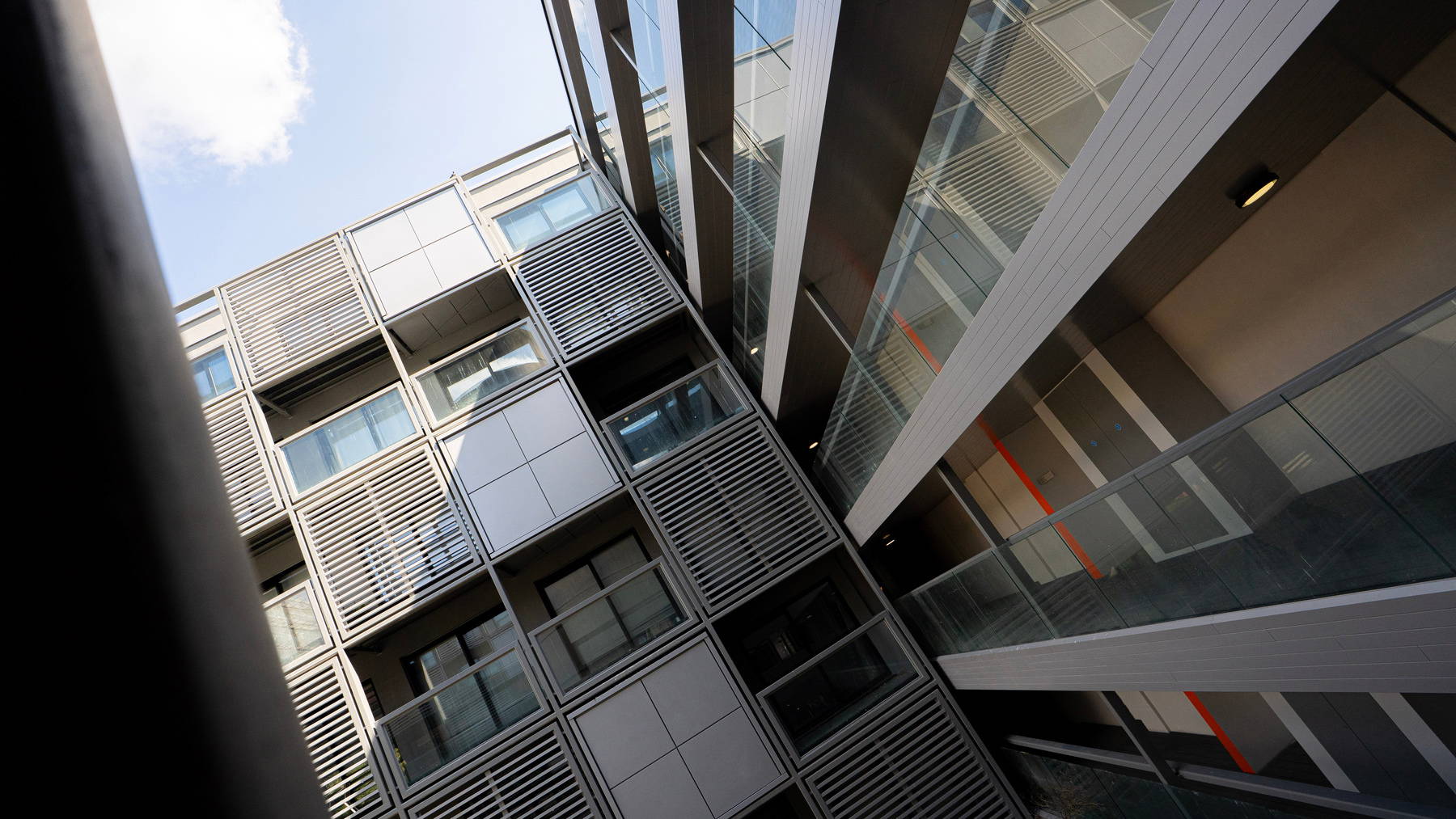
After a competitive tender process, H.H. Smith were awarded the contract for the façade replacement project at the Moho Apartment Building in the Castlefield area of Manchester. The Moho (short for
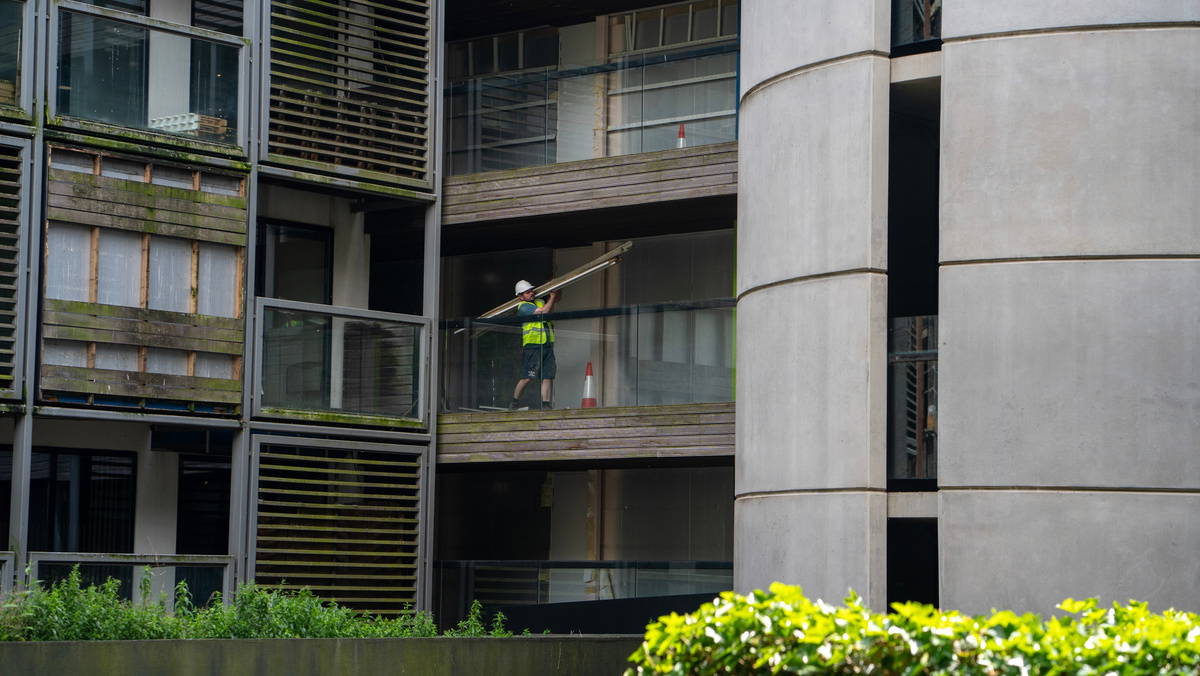
modular housing) apartments on Ellesmere Street is an Urban Splash development completed in 2006, designed by the Liverpool architectural practice of Shedkm, and it is managed by Mainstay. The 7 storey building is composed of prefabricated “living pods” built by the off-site construction specialists Yorkton. Each pod is designed around a central bathroom and kitchen area, with the living space and bedrooms either side. A large timber decked balcony allows for private outdoor space in addition to the resident’s communal garden. Moho also features a convenience store, two bar/restaurants and offices on the ground floor and two floors of underground car parking.
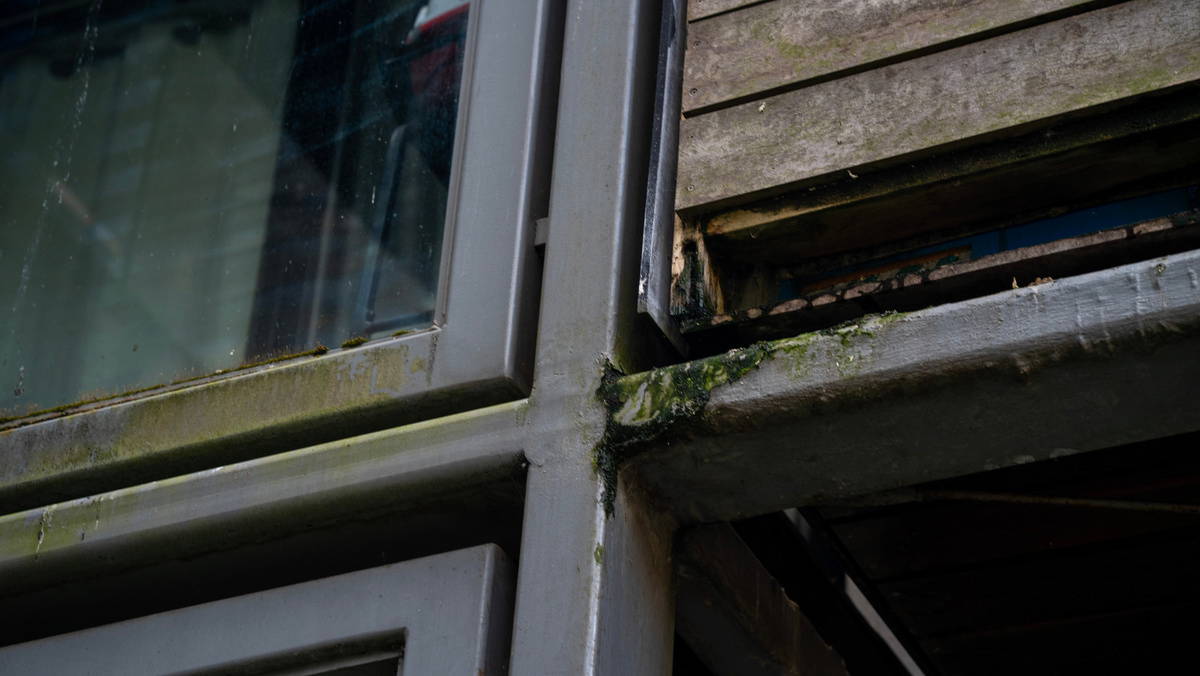
Due to recent developments in Building Regulations, the original external wall build-up would now be considered unsafe and required alterations. The client asked Shedkm to revisit the façade design and re-envisage it in a fresh and safe way.
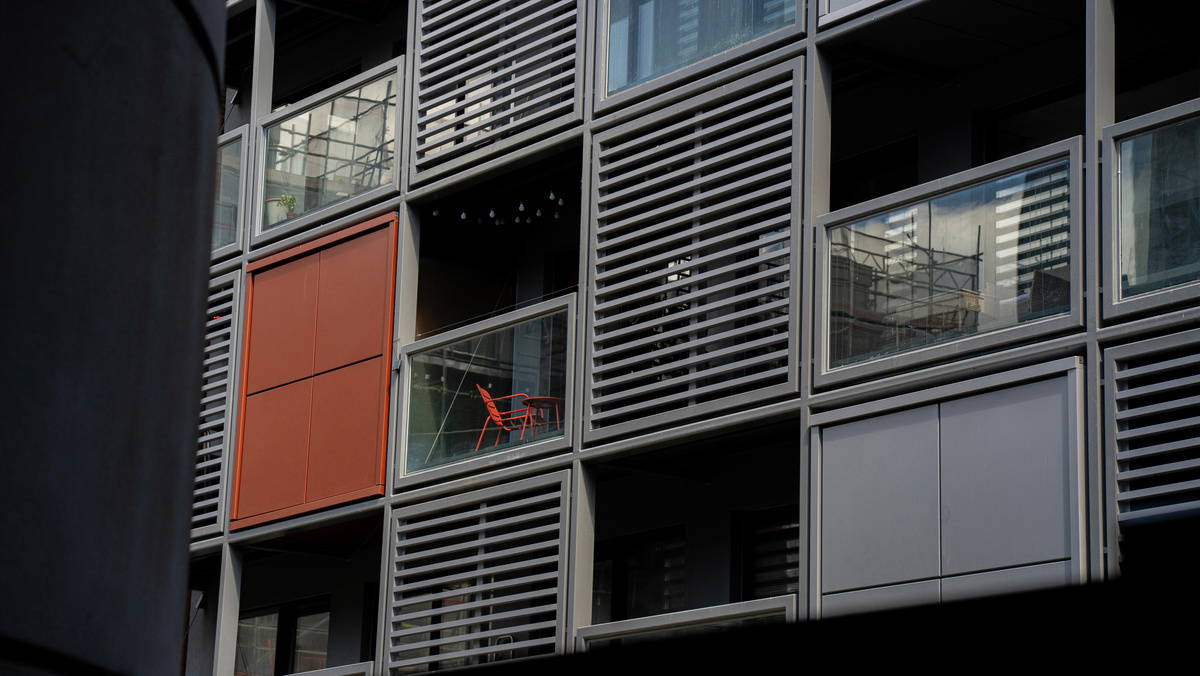
A decision was made to ‘re-brand’ the scheme with a strong use of colour, stepping away from the connotations of a timber façade and moving
towards a contemporary and sleek finish. Moho retains the sharp aesthetic of a modern building, whilst providing a strong and iconic new image as the centrepiece of the area.
KEY POINTS
This project was delivered as part of a government-funded fire safety remediation programme, addressing the removal of combustible materials and ensuring full compliance with the latest building safety regulations. The primary objective was to enhance life safety standards by remediating the external wall systems and associated elements across
a residential development, while ensuring quality and minimising disruption to residents. A critical element of the works involved the complete removal and replacement of the existing insulated render
system across all building façades.
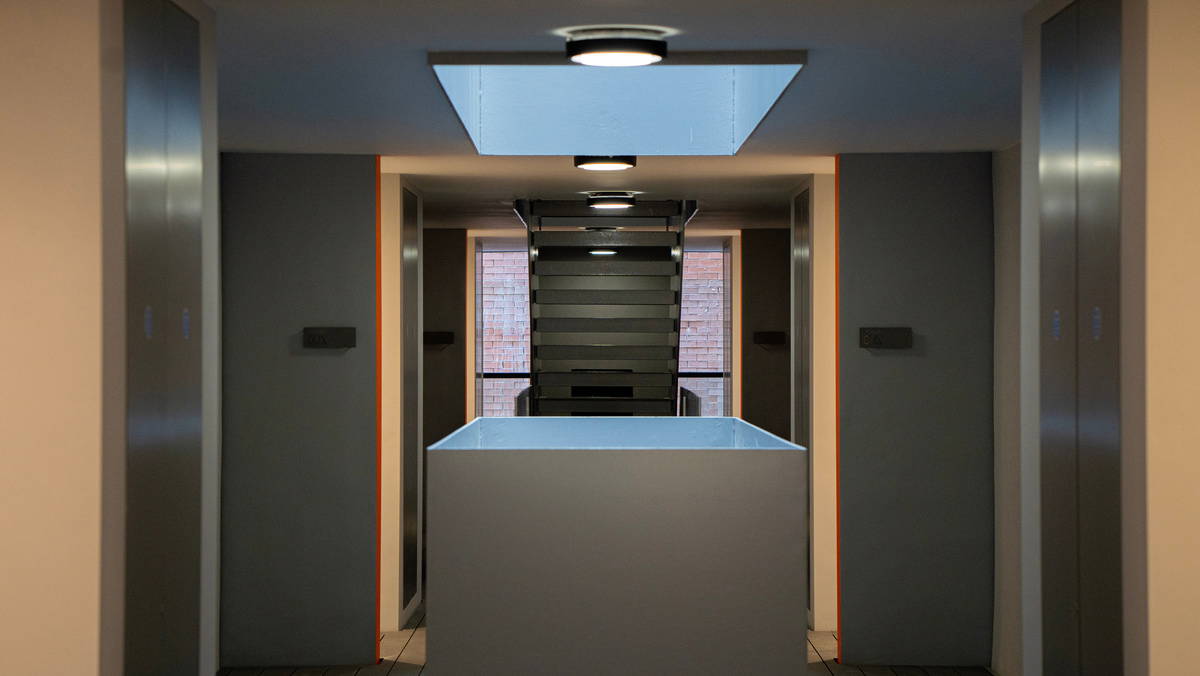
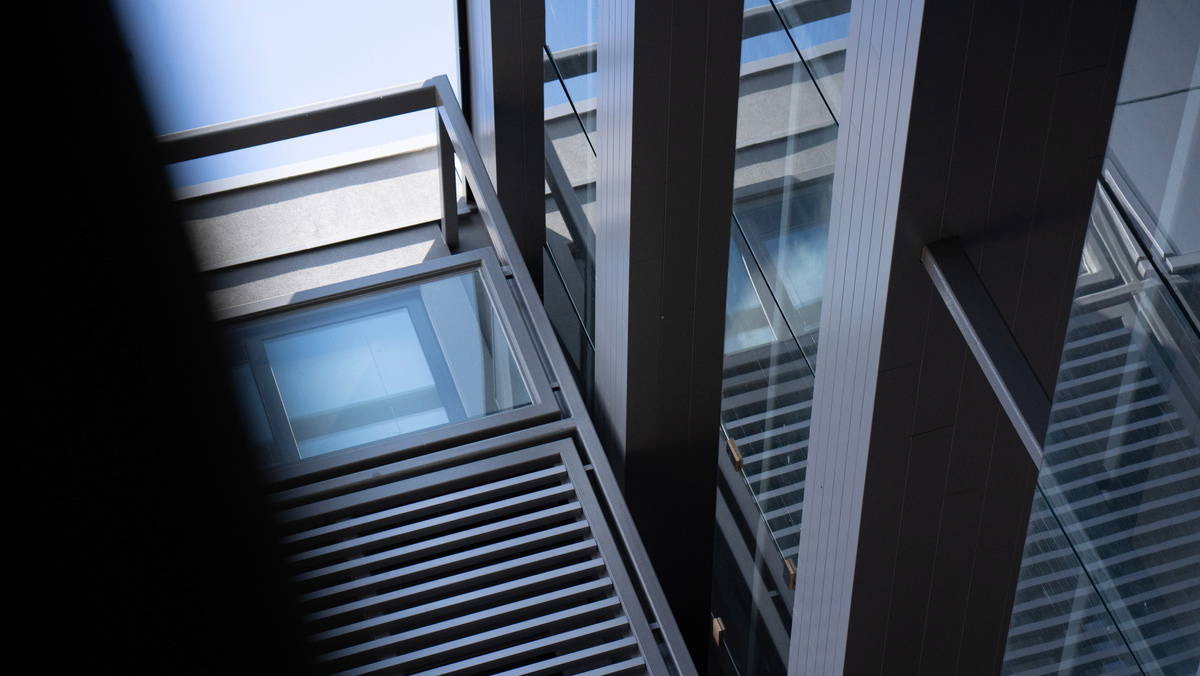
A new non-combustible external wall system was installed, significantly improving both fire resistance and thermal efficiency. At roof level, new aluminium coping was introduced at parapet wall heads, providing enhanced water management and robust detailing in line with compliance requirements. Combustible materials throughout the external envelope were systematically removed. All balcony and internal walkway timber decking was replaced with A1-rated aluminium decking, eliminating fire load risk while delivering a durable, low-maintenance solution.
All timber cladding to the dining pods, balcony louvres, and internal walkway ceilings was removed and replaced with bespoke, non-combustible aluminium cladding panels, balcony louvre blades, and walkway soffit panels. These highperformance systems were carefully detailed and fabricated to reflect the original architectural intent while meeting stringent fire performance criteria. Further works included the replacement of roof coverings to the dining pods with fire-rated materials, as well as full external redecorations to reinstate a cohesive and refreshed appearance across the development. All balcony doors and frames were replaced with new, fire-rated and thermally efficient units to enhance both safety and user comfort.
CHALLENGES
The project faced a number of logistical and operational challenges, typical of high-rise remediation in constrained urban environments. The
city centre location severely restricted vehicle access for large deliveries, requiring timed access slots and off-site consolidation strategies. To facilitate safe working, local authority parking bays were suspended to form designated compounds for material storage, skips, deliveries, welfare units, and plant.
Midway through the originally planned 12-month programme, previously unidentified fire safety risks were discovered, including critical issues to extraction ductwork and service risers. These required extensive internal interventions. To allow safe execution of this intrusive work, residents had to be decanted in two phases, and each phase had to be coordinated with housing providers and done in line with fire safety recommendations.
A further challenge was the piecemeal nature of funding and scope approvals. Each newly identified issue required sign-off from multiple stakeholders, including the Government funding body, Fire Safety Advisor, Building Control, and the Specification Consultant. This added significant pressure to maintain momentum while ensuring regulatory compliance at every stage. Despite these obstacles, H.H. Smith ensured the project was successfully managed through proactive communication, robust programme control, and coordinated engagement with residents, stakeholders, and statutory authorities. The outcome is a fully remediated, regulation-compliant building that meets the highest standards of life safety and resilience.