MUSEUM OF SCIENCE & INDUSTRY, POWER HALL

CONSERVATION WORKS

LOCATION

Manchester

SECTOR

Conservation

CLIENT

Science Museum Group

ARCHITECT

Carmody Groarke

PROJECT VALUE

£11.6m

CONTRACT

Traditional

PERIOD

Jan 2021 – Sep 2025

CONTRACT PERIOD

4 years, 2 months

THE BRIEF

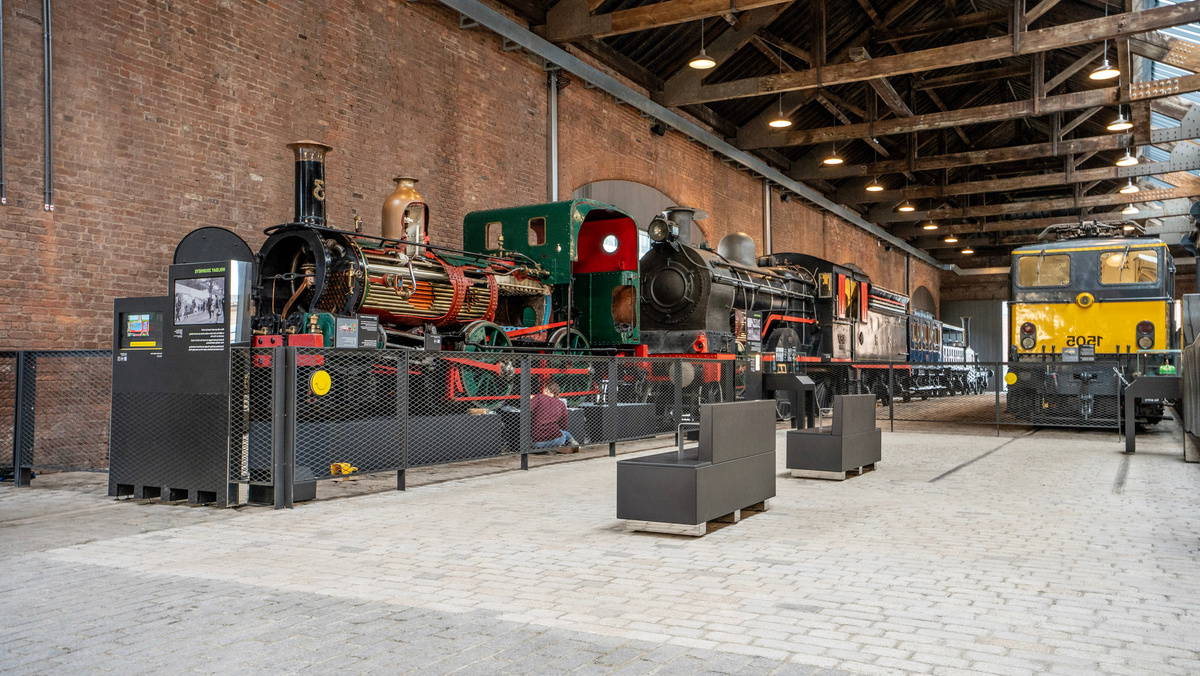
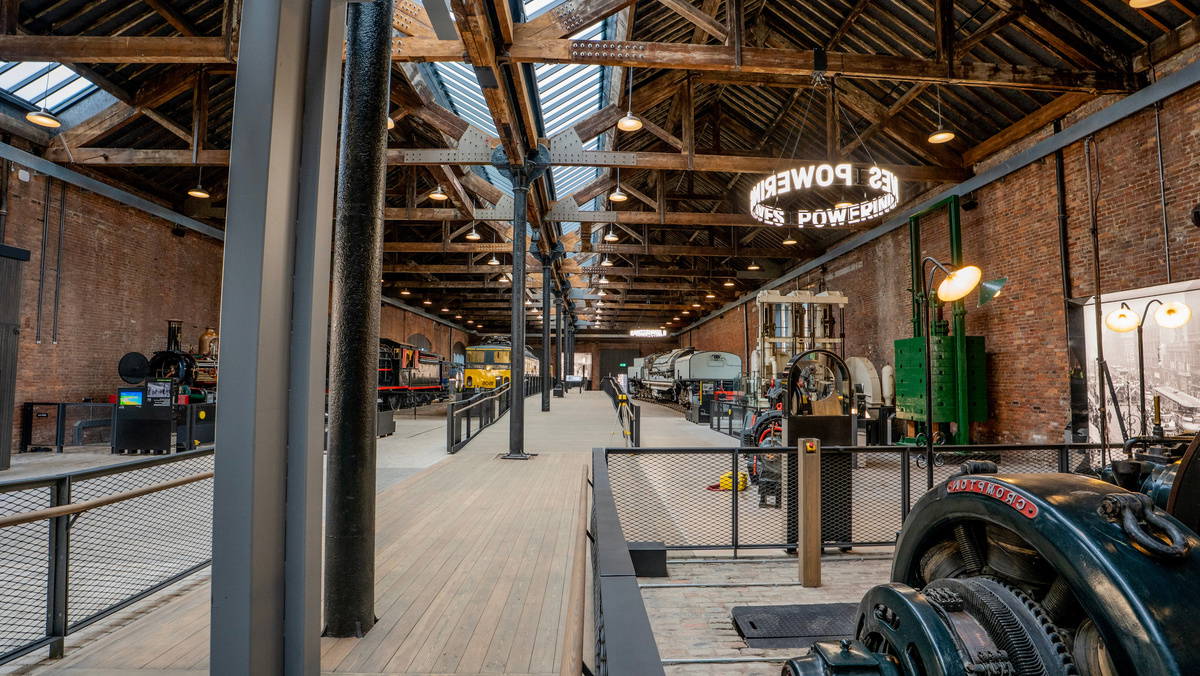
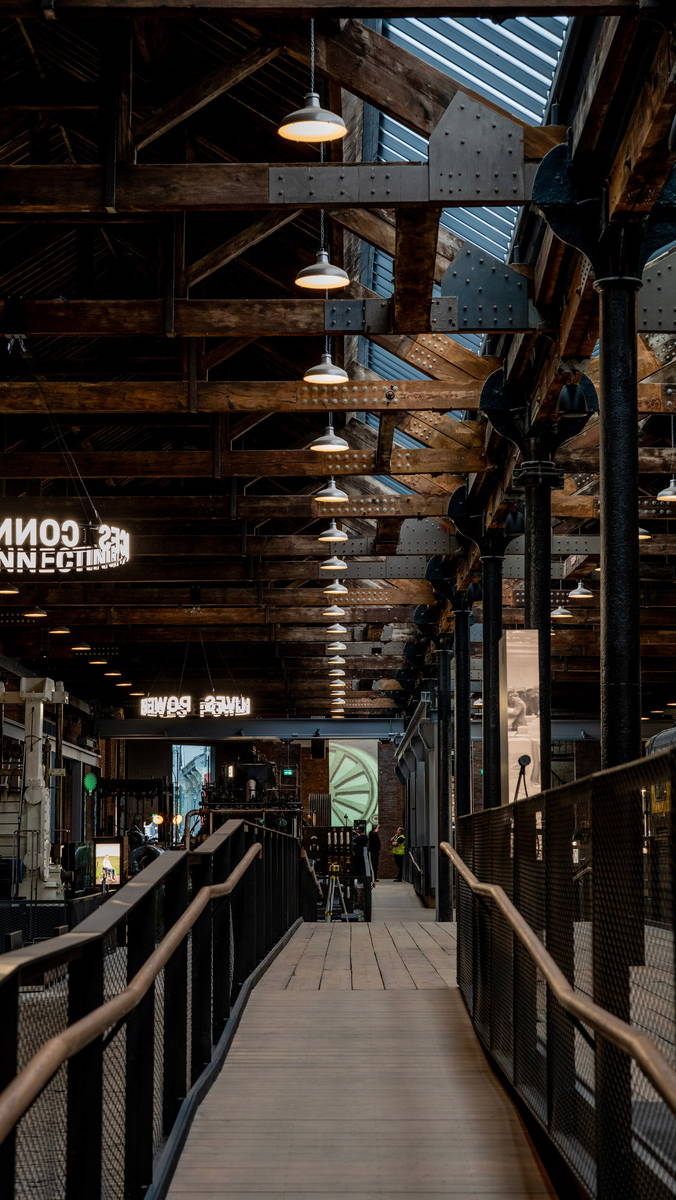
After the successful completion of other schemes at the iconic Museum of Science and Industry site, H.H. Smith were awarded packages 1 to 3 of works to the Power Hall. The Grade II listed former railway shed is 2,500sq.m and houses historic working machines and steam engines, but it had been closed to the public since 2019 due to the poor condition of the roof. The works involved the removal of the existing roof coverings to allow extensive repairs to the existing timber trusses. To improve the air-tightness and thermal insulation of the building, a new timber sub-frame was constructed above the original rafters to support the increased depth of woodfibre insulation.

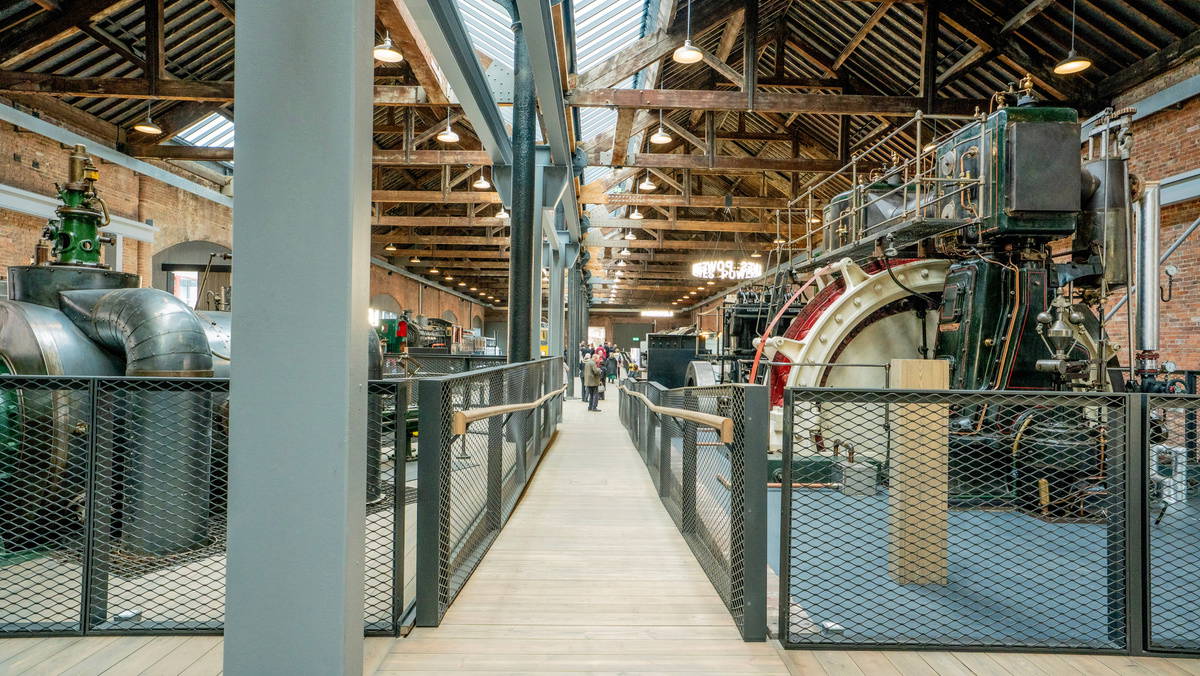
Other works included the removal of existing M&E, removal and replacement of doors, windows, and roof lights. Plus, installation of a new fire alarm system, new lighting and masonry fabric repairs. As the project was progressing further funding was secured by the client to completely refurbish the Power Hall internally to provide an improved visitor experience to a key aspect of the Science and Industry museum’s public offering, and these works became package 4. This phase involved the installation of a new timber platform, decorative floor finishes, bespoke architectural balustrading and new Mechanical and Electrical installations. The M&E install incorporated heating and ventilation, a new steam system to feed the museums steam engine displays, small power and data, a new tannoy system, speakers, and security.
KEY POINTS

During the early stages of the scheme the client was awarded additional funding from the Public Sector De-Carbonisation Scheme, administered by Salix Finance, which led to further works comprising of the install of boreholes as a source of water for a new steam boiler which will provide heating to the building. As dictated by the Salix funding, Heritage planning permission was required as the project progressed. This required H.H. Smith to work closely and collaboratively with the client and the design team to ensure Manchester City Council conservation planners were satisfied with the project’s design throughout, and that all permissions were gained in a timely manner in order to meet the tight deadlines imposed by the funders.

A key design consideration for package 4 was to ensure that all M&E routes were not visible to the building users and therefore coordination of services routes, particularly below the timber platform, was a critical aspect of this phase of project. It was also important that all finishes were to a particularly high standard and stringent quality control procedures were implemented to ensure a high end finish for the client.
Sustainability was a focus throughout this project, with the new roof featuring the reuse of most of the original slates and the woodfibre insulation was made from timber industry byproduct. As a result of the decarbonisation programme, the museum will reduce its annual carbon dioxide emissions by 515 tonnes.

CHALLENGES

After an early condition survey, it was determined new flitch beams were required to ensure the new roof could support the increased loadings. These 9m long beams had to be lifted into position through the scaffold roof enclosure. Extensive scaffold propping to the trusses was required so the Heritage timber repair contractor could remove the decayed sections and install new sections of Douglas Fir timber. The propping had to be specifically designed for each repair to ensure it was coordinated to avoid the large Museum objects below. The site compound was accessed via the upper yard of the Museum which remained open to the public throughout the project. Therefore, all deliveries had to be programmed outside of the Museum’s opening hours. Due to reasons out of H.H. Smith’s control, commencement of package 4 was delayed, which meant our programme duration had to be reduced in order to keep to the museums timescales for opening the building. Therefore, this phase of the project was considerably more challenging as a lot of the work had to be delivered simultaneously in order to meet the deadlines. Furthermore, it was necessary for us to work alongside the museums Collections Teams, Gallery Maintenance and Exhibition Fit Out contractor in order to deliver the overall project completion in time for the opening of the Power Hall to the public. This required close collaboration and co-ordination between all parties to achieve the desired outcome.